

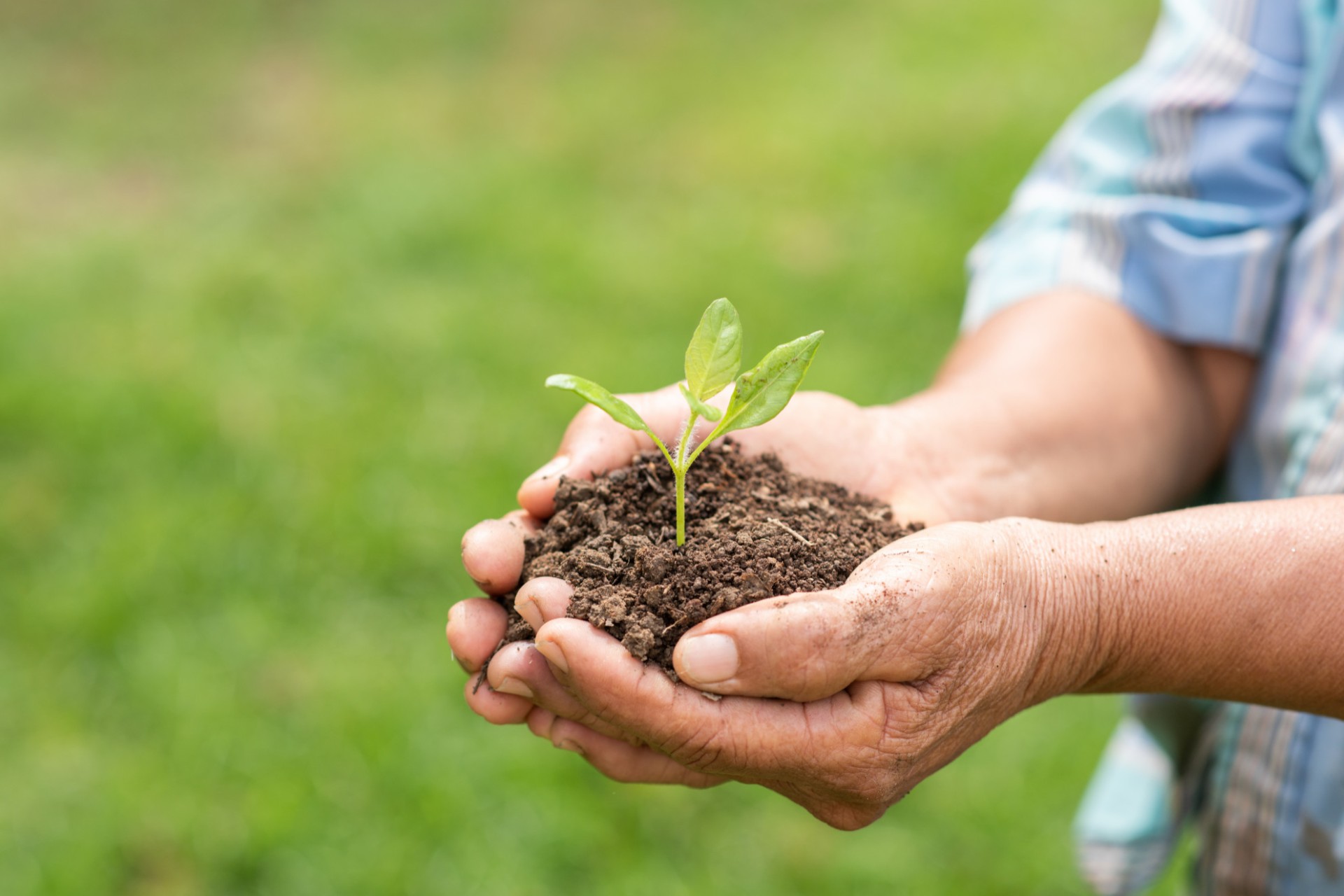
Agriculture has always been the backbone of economic development, providing food, employment, and livelihoods to millions of people around the world. As global demand for food continues to grow and environmental concerns become more significant, sustainable agriculture has emerged as the key to ensuring long-term food security while protecting natural resources. By combining traditional farming knowledge with modern technology, businesses can create productive, profitable, and environmentally responsible agricultural systems that benefit both present and future generations.
Sustainable agriculture focuses on meeting today’s agricultural needs without compromising the ability of future generations to meet their own. It emphasizes responsible land management, efficient use of water resources, improved soil health, and environmentally friendly farming practices. These approaches not only increase productivity but also reduce the environmental impact of farming activities.
One of the most important aspects of sustainable agriculture is the adoption of modern farming technologies. Precision farming, automated irrigation systems, climate monitoring, and advanced equipment enable farmers to make better decisions, optimize resource utilization, and improve crop yields. Technology also helps reduce waste, conserve water, and increase overall farm efficiency, making agriculture more resilient to changing weather conditions.
Dairy farming has become an essential part of sustainable agriculture by contributing to food production and rural economic development. Modern dairy farms focus on maintaining high standards of animal welfare, nutrition, and hygiene while using advanced technologies to improve milk quality and production efficiency. Proper livestock management, balanced feeding programs, and regular veterinary care ensure healthy animals and consistent production, benefiting both farmers and consumers.
Layer poultry farming also plays a significant role in supporting sustainable food production. By implementing scientific farming methods, modern poultry farms can produce high-quality eggs while maintaining strict biosecurity measures and animal welfare standards. Efficient feed management, proper housing systems, and continuous monitoring help improve productivity while reducing environmental impact.
Organic farming has gained increasing popularity as consumers become more conscious of food quality and environmental sustainability. Organic farming minimizes the use of synthetic fertilizers and pesticides, instead relying on natural methods to improve soil fertility and manage pests. This approach helps preserve biodiversity, improves soil health, and produces healthier food products that meet growing consumer demand for organic produce.
Water conservation is another critical component of sustainable agriculture. Efficient irrigation techniques such as drip irrigation and rainwater harvesting help farmers reduce water consumption while ensuring crops receive adequate moisture. These methods not only conserve valuable water resources but also improve crop productivity and reduce operating costs.
Sustainability also extends beyond farming practices to include responsible waste management and renewable energy adoption. Many modern farms are investing in solar energy, biogas plants, and recycling systems to reduce their environmental footprint. Organic waste generated from agricultural operations can be converted into natural fertilizers or renewable energy, creating a circular and sustainable farming ecosystem.
Education and continuous training are equally important for promoting sustainable agriculture. Farmers who receive access to modern agricultural knowledge, new technologies, and best farming practices are better equipped to improve productivity and adapt to changing market demands. Skill development programs and agricultural research continue to play a vital role in strengthening the sector.
Looking ahead, sustainable agriculture will remain one of the most important drivers of economic growth and environmental conservation. Businesses that invest in modern farming practices, innovative technologies, and responsible resource management will contribute to stronger food security, healthier communities, and a more sustainable future. By embracing sustainability today, we can ensure that agriculture continues to provide prosperity, opportunity, and nourishment for generations to come.